Plastering and dry liningGloucester · Cheltenham · Gloucestershire

From a single skimmed ceiling to every wall in a new build, we leave smooth, flat surfaces that are ready to decorate. We're a Gloucester plastering company with over 20 years in the trade, working for homeowners, builders and main contractors, and on period and listed buildings that need traditional lime.

  • Skimming, re-plastering, dry lining and plasterboarding
  • Traditional lime plastering for period and listed buildings
  • Supply-and-fix packages for builders and main contractors
  • Fully insured, with our own team of plasterers and boarders
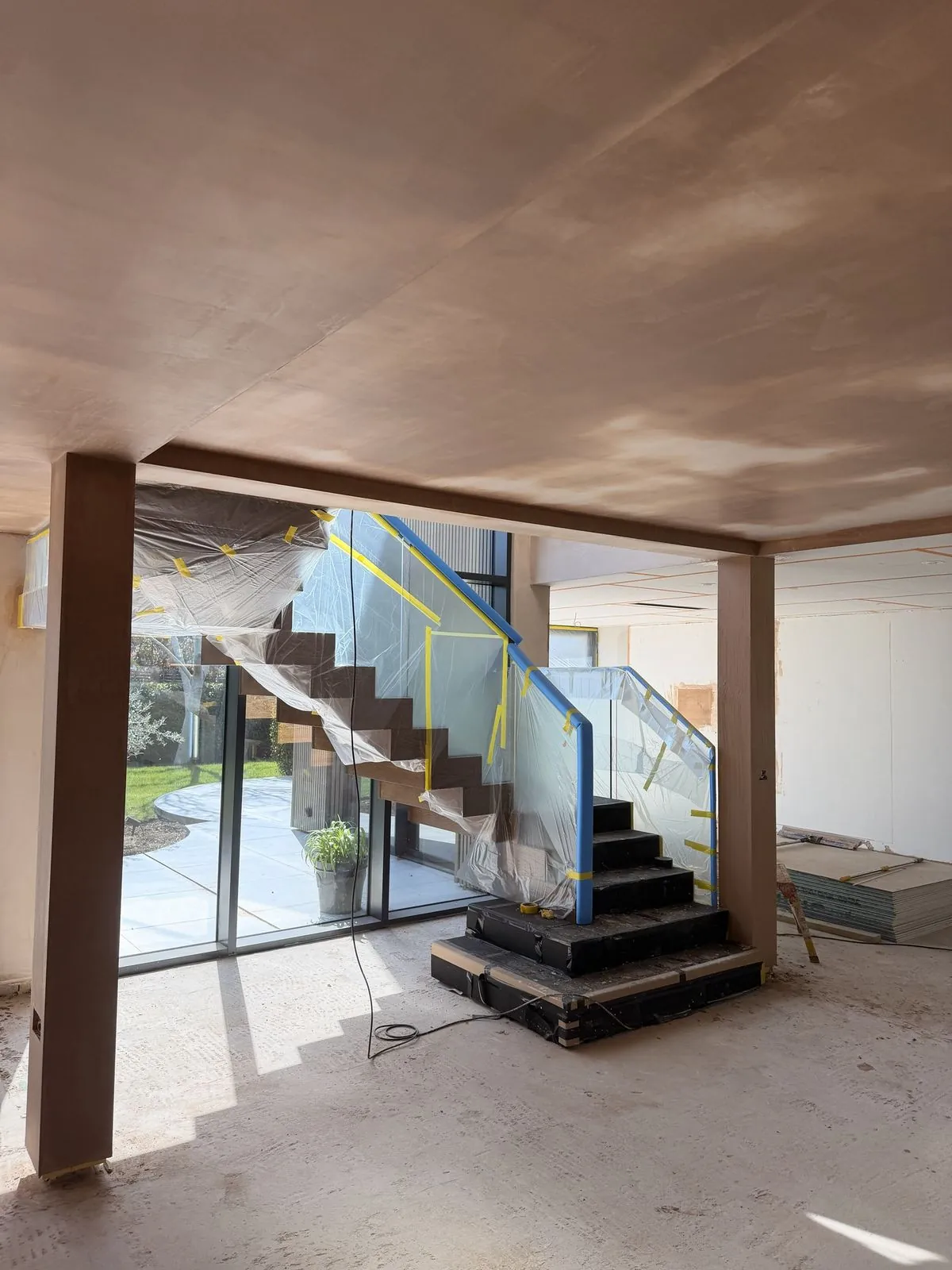
Skimmed ceilings and boxing, contemporary home
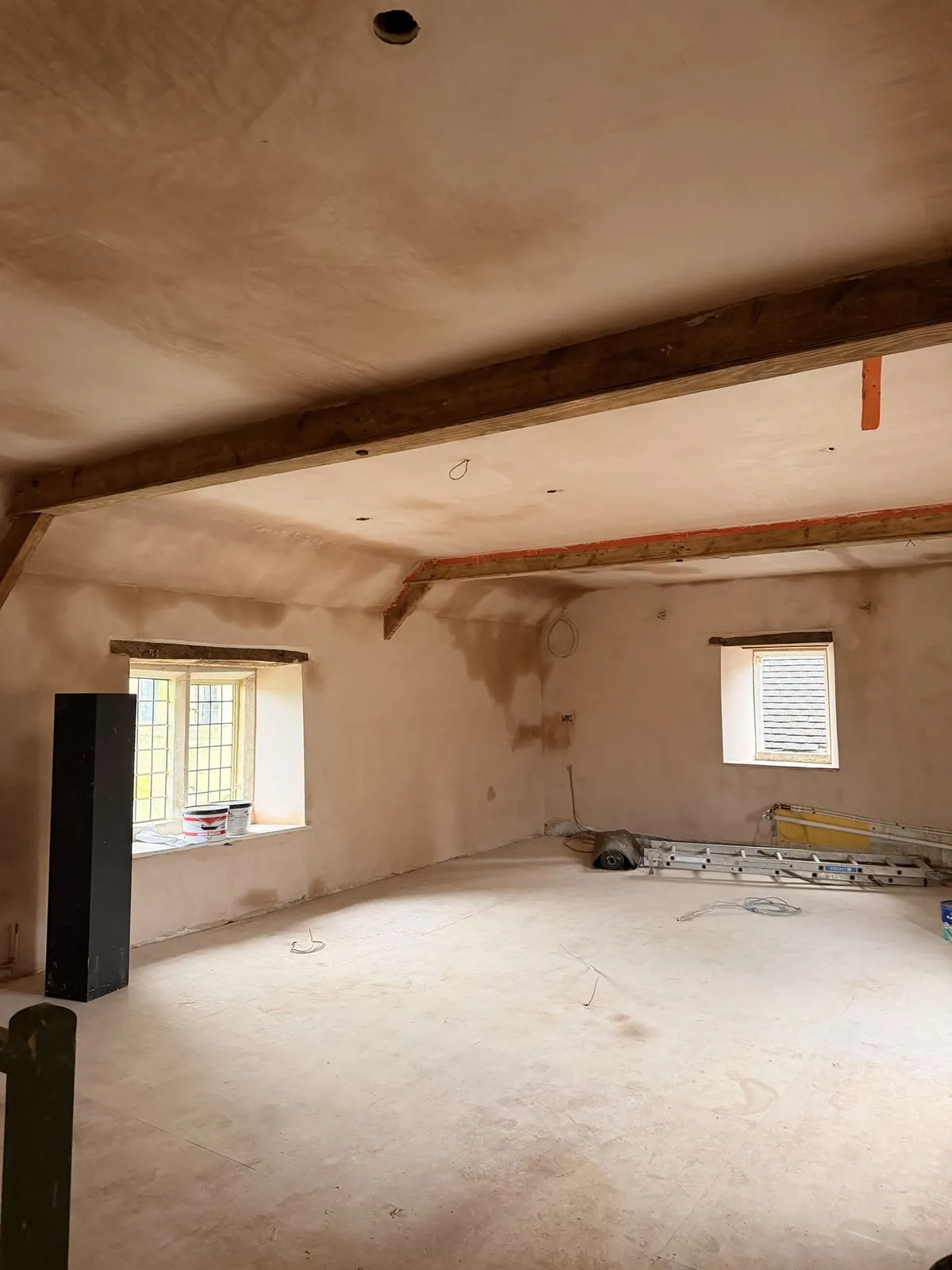
Plastering, period property
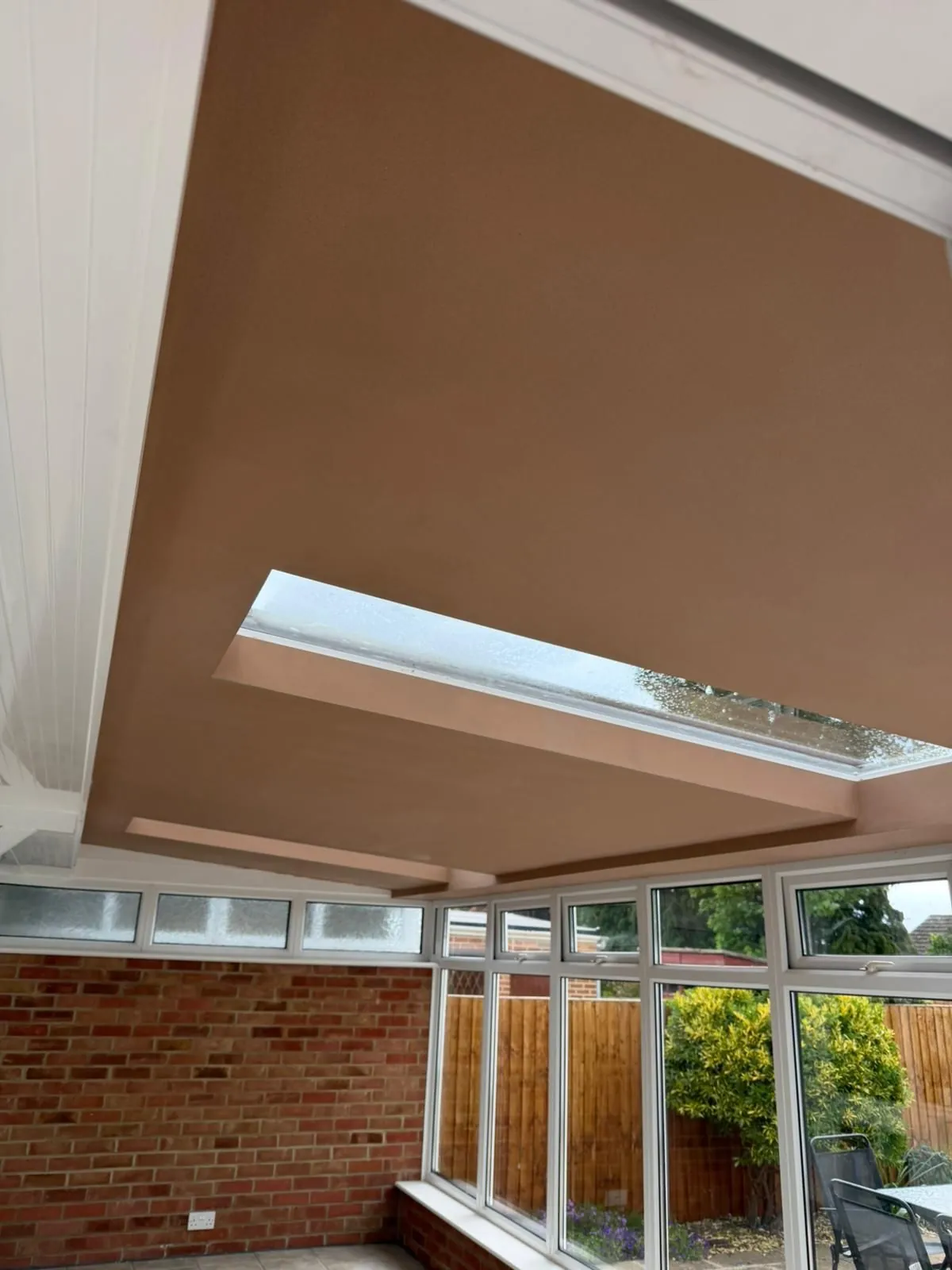
Skimmed conservatory ceiling
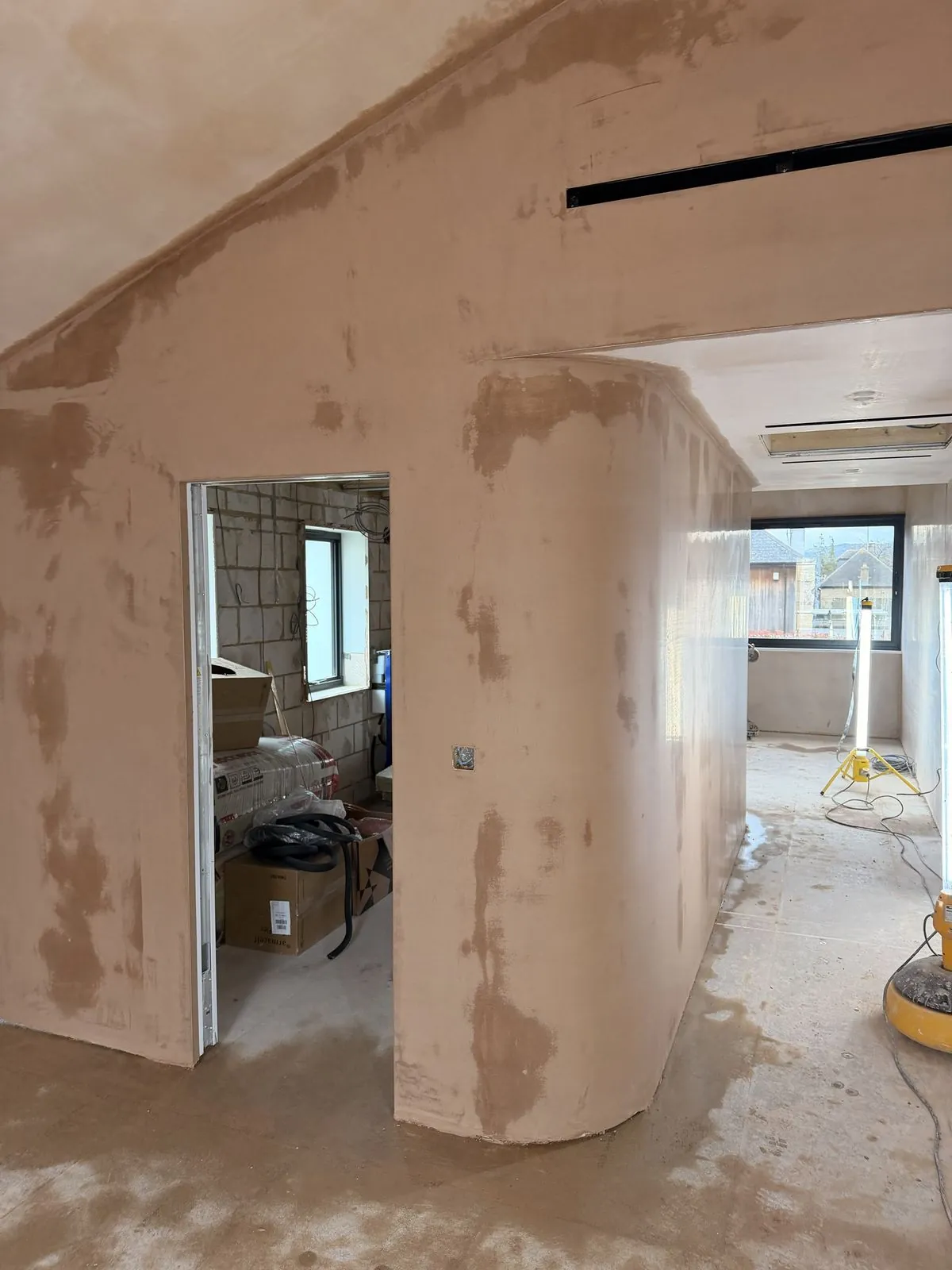
Skimmed curved wall
Skimmed curved wall
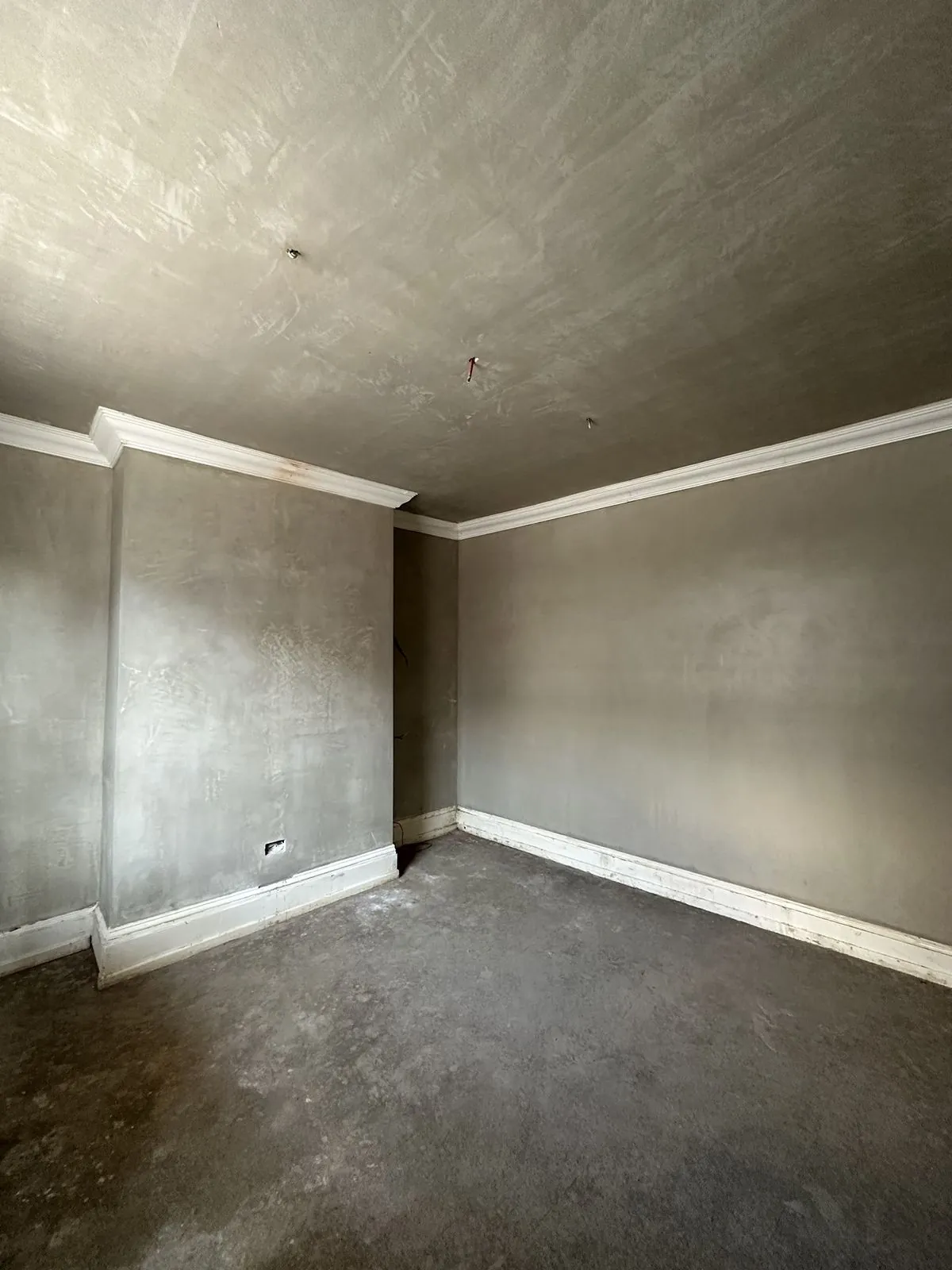
Lime plaster walls and ceiling, period room
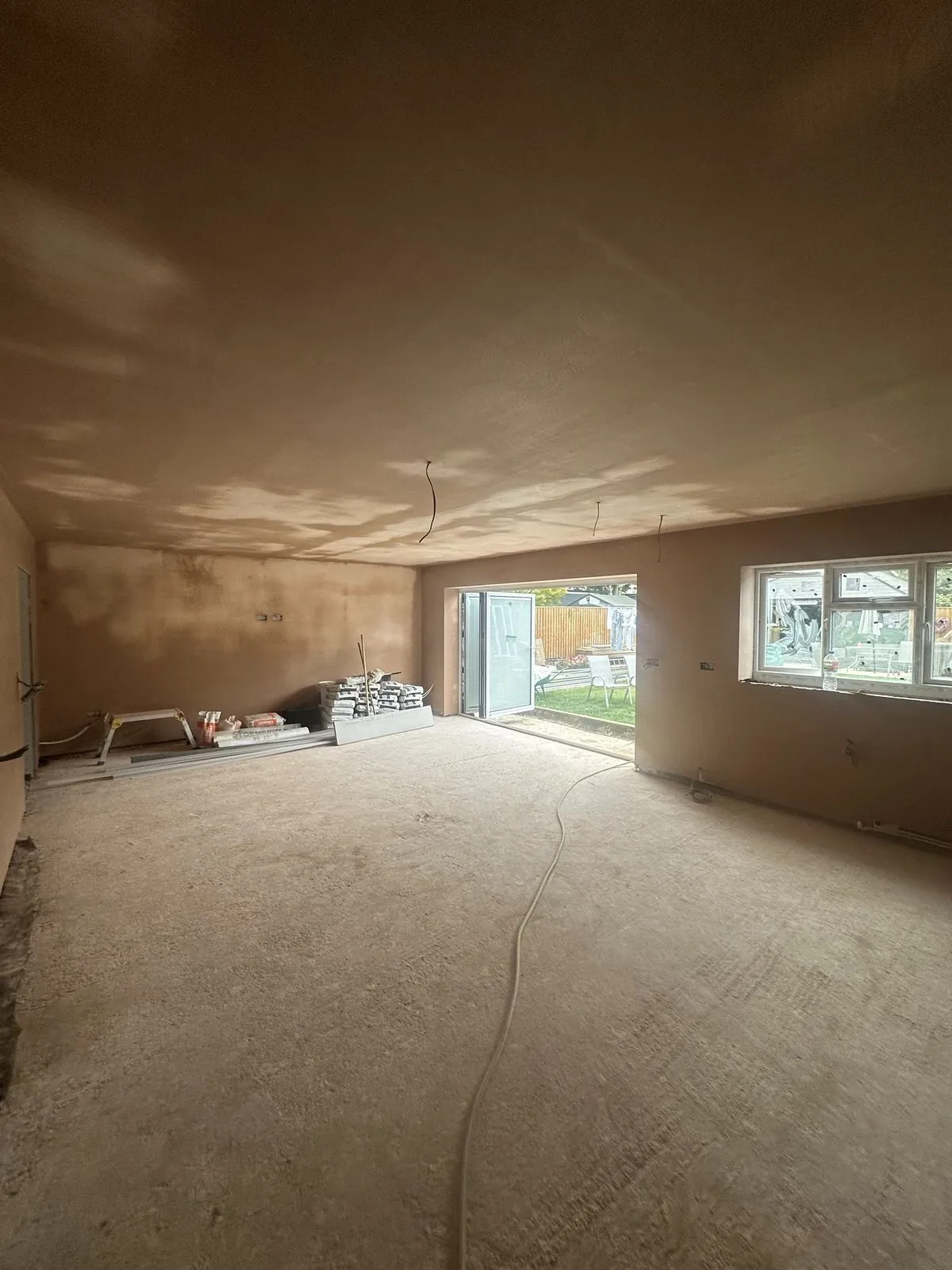
Skimmed rear extension
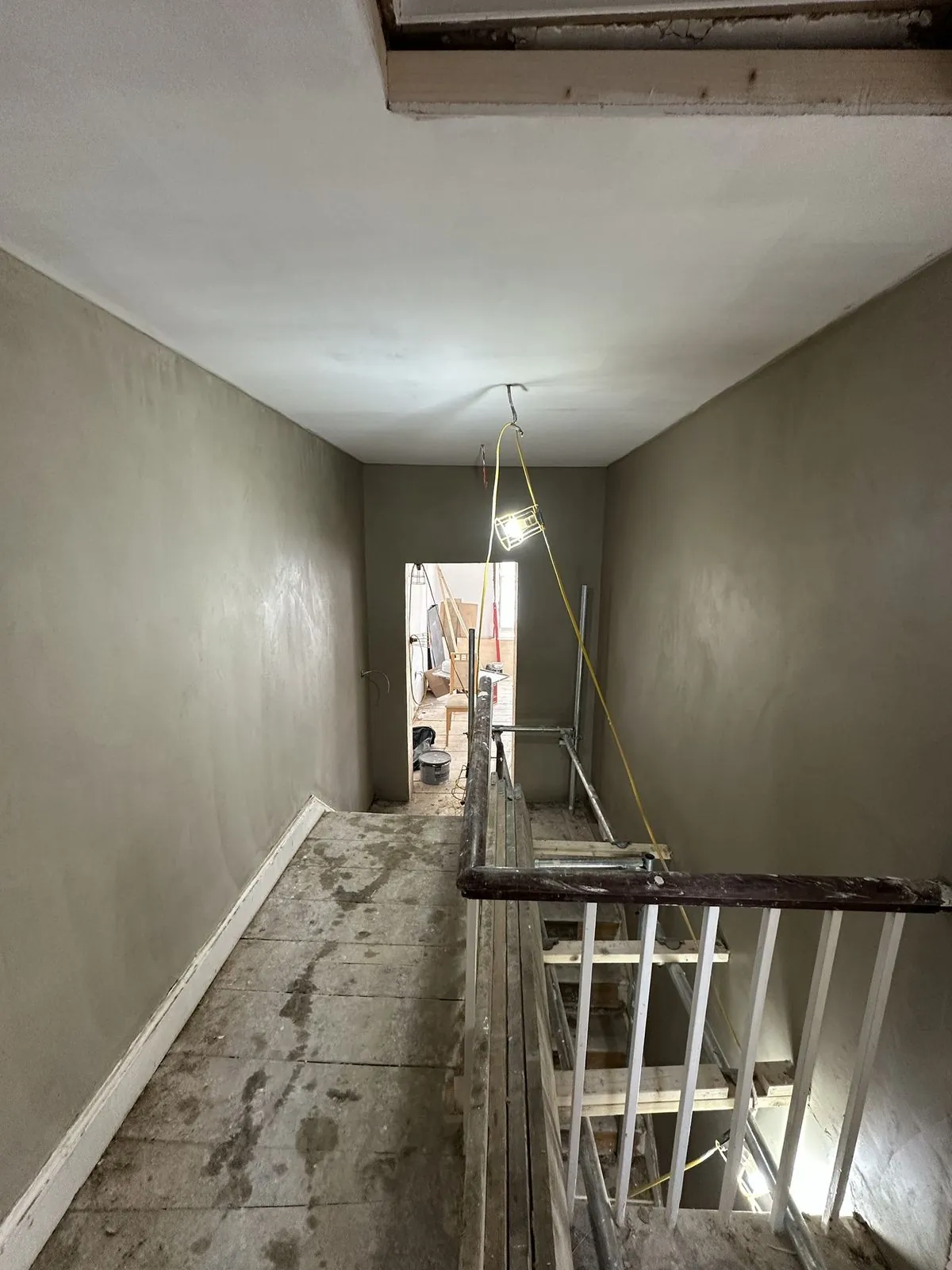
Lime plastered stairwell
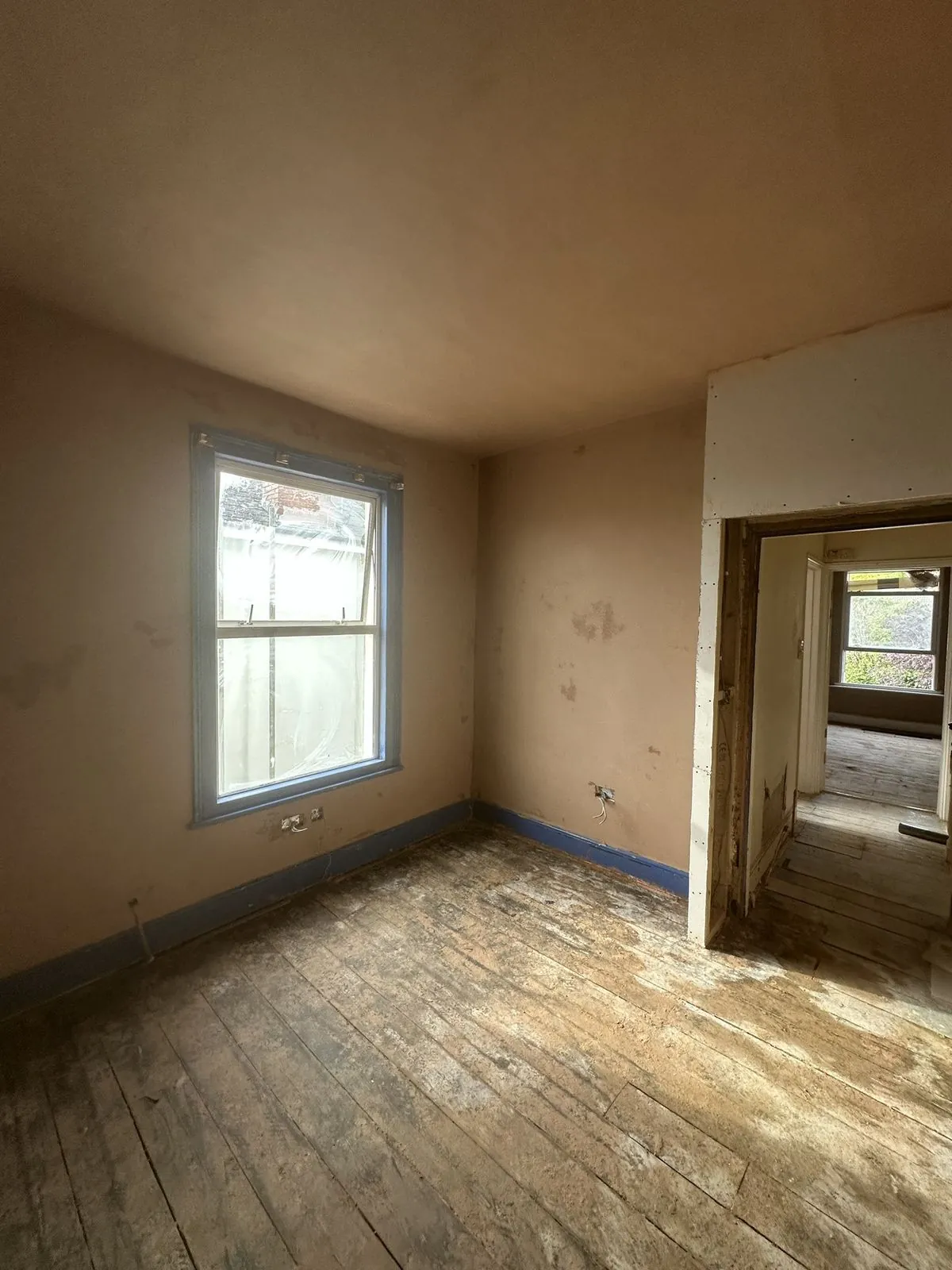
Skimmed bedroom, period house

Swipe to see more plastering work

Plastering that's ready to decorate

Good plastering is the part of a project you only notice when it's wrong. Uneven walls, cracks and patchy drying all show through the paint, and they're expensive to put right later. We take the time to prepare properly, bead every corner and edge, and finish each surface flat and smooth, so your decorator can get straight to work.

We plaster single rooms and ceilings, rewires and renovations, extensions, loft and garage conversions, annexes and new builds. On bigger projects we bring our own team of plasterers and boarders and work zone by zone to the main contractor's programme, so each area is boarded, skimmed and handed over in order.

Older buildings need a different approach. Solid stone and brick walls have to breathe, so on period and listed properties we use lime plasters that let moisture out and move with the building, where modern gypsum plaster can trap damp and fail.

Our plastering and dry lining services

Whatever the job, we choose the right system for the walls, the building and the finish you want.

Skimming and re-skimming

Two thin coats of finish plaster over plasterboard or sound existing plaster, trowelled up as it sets to a smooth, flat surface. The quickest way to refresh tired, cracked or uneven walls and ceilings.

Best for: Ceilings, refurbishments and new plasterboard

Re-plastering and backing coats

Where old plaster is blown, hollow or damaged, we hack it off and build the wall back up with bonding or hardwall backing coats, straightening it as we go, before the finish coat.

Best for: Renovations, rewires and damaged walls

Dry lining and plasterboarding

Plasterboard fixed to masonry with dot-and-dab adhesive, or screwed to timber or metal studwork and ceilings, then skimmed. Faster and drier than traditional wet plastering, so other trades can follow on sooner.

Best for: New builds, extensions and conversions

Moisture-resistant and insulated boarding

Moisture-resistant board in bathrooms, kitchens and wet areas, and insulation fitted before boarding where the design calls for it. We follow the drawings and the board specification so the walls perform as intended.

Best for: Bathrooms, external walls and ceilings

Traditional lime plastering

Breathable lime plasters for solid-walled period homes and listed buildings, applied in coats and finished to suit the building. We recently finished a Grade II listed building in a breathable lime plaster that met its listed-building guidelines.

Best for: Period, stone and listed properties

Beads, coving and details

Angle and stop beads on every corner and edge, scrim on board joints, crisp window and door reveals, boxing-in for pipes and steels, and coving where you want it. The details are what make a room look finished.

Best for: Every job, large or small

How a plastering job runs

Every job follows the same careful steps, so you know what's happening and when.

  1. Site visit and quote

    We look at the walls and ceilings, talk through what you want and send a clear written quote that sets out the work step by step.

  2. Protection

    Floors, stairs, windows and fittings are sheeted and taped before we start, and we keep the work area tidy throughout.

  3. Preparation

    Loose plaster comes off, surfaces are cleaned and treated with the right bonding agent or primer, and beads go on every corner and edge.

  4. Boarding and backing coats

    Plasterboard is fixed and scrimmed, or backing coats are applied and ruled flat, ready for the finish.

  5. Finish coat

    Two coats of finish plaster are trowelled up as they set to a smooth, flat surface, ready for decoration.

  6. Clean up and handover

    We clear the waste, take up the protection and talk you through drying times and how to seal the new plaster.

Recent plastering work

A few examples of the work we take on, from main contractor packages to listed buildings.

Main contractor

New-build dry lining and plastering

Our current supply-and-fix package across three floors: dot-and-dab and moisture-resistant boarding, insulated and boarded ceilings, and window reveals boarded zone by zone, followed by a full skim.

Stonehouse

Detached annexe

Plasterboarding and a two-coat multi-finish skim, with beads and scrim throughout, in a new two-storey annexe for a local builder.

Grade II listed

Lime plaster finishes

Wall finishes in a breathable lime plaster on a Grade II listed building, following the listed-building guidelines for the property.

See more in our gallery

What our clients say

What customers say about our plastering, from their reviews on Yell.

Top plasterer. Dean's work is 10/10. I run my own decorating business and recently worked behind Dean's plastering it's always done to perfection and left clean and tidy which makes the decorating much easier. Highly recommend.
Stephen, via Yell
Dean has done all my plastering for the last 5 years and has always done a first class job. I wouldn't use anyone else.
Paul, via Yell
Fantastic company that provided our business with a complete plastering service of a new office.
Ryan, via Yell

What affects the price

Every building is different, so we price plastering once we've seen it. The main things that affect the cost are:

  • The size of the area and the number of walls and ceilings
  • The condition of the walls: a straight skim costs less than hacking off and re-plastering
  • Ceiling heights, stairwells and access
  • Boarding, beads, insulation and moisture-resistant board
  • Lime or other specialist materials
  • Whether we supply the materials or work labour only

Looking after new plaster

New plaster needs time and the right treatment before you decorate.

  • Let it dry fully. It changes from dark brown to an even, pale pink when it's ready, which takes longer in cold or damp weather.
  • Keep the room ventilated, but don't force-dry it with heaters, which can cause cracking.
  • Seal it with a mist coat, a watered-down emulsion, before your top coats.
  • Lime plaster needs a breathable finish, such as limewash or a mineral paint.

Plasterers covering Gloucestershire and the South West

We're based in Gloucester and plaster homes and commercial buildings across the county and the wider South West.

  • Gloucester
  • Cheltenham
  • Stroud
  • Stonehouse
  • Tewkesbury
  • Cirencester
  • Quedgeley
  • Churchdown
  • Brockworth
  • Newent
  • The Cotswolds
  • The Forest of Dean
  • The South West

Plastering questions

How long does new plaster take to dry?

It depends on the plaster, the weather and the ventilation. A skim over plasterboard usually needs at least a few days, while backing coats and lime take much longer. New plaster turns from dark brown to an even, pale pink when it's dry, and we'll tell you when it's ready to decorate.

Can you plaster over Artex or old plaster?

Usually, yes. If the existing surface is sound, we prepare it with a bonding agent and skim straight over it. If it's loose, hollow or blown, it has to come off first. Older textured coatings can contain asbestos, so we never sand them; skimming over a sound surface seals them in.

What's the difference between dry lining and plastering?

Dry lining means fixing plasterboard to walls, studwork or ceilings. Plastering is the wet finish, either a skim over the boards or backing and finish coats straight onto masonry. Most modern jobs use both: boards for speed and a flat base, then a skim for a smooth finish.

Do you supply the materials?

Yes. Our quotes for homeowners include materials as standard. For builders and main contractors we can quote supply and fix, or labour only.

Do you take on work for builders and main contractors?

Yes. We take on plastering and dry lining packages for new builds, refurbishments and fit-outs, with our own team of plasterers and boarders, and we work under CIS.

Do you work on listed and period buildings?

Yes. We use breathable lime plasters on solid walls in period and listed properties, and follow the listed-building guidelines for each job.

How much mess will there be?

Plastering always creates some dust and water, but we sheet and tape floors, stairs and fittings before we start, keep the work area tidy, and clear everything away when we finish.

Our other services

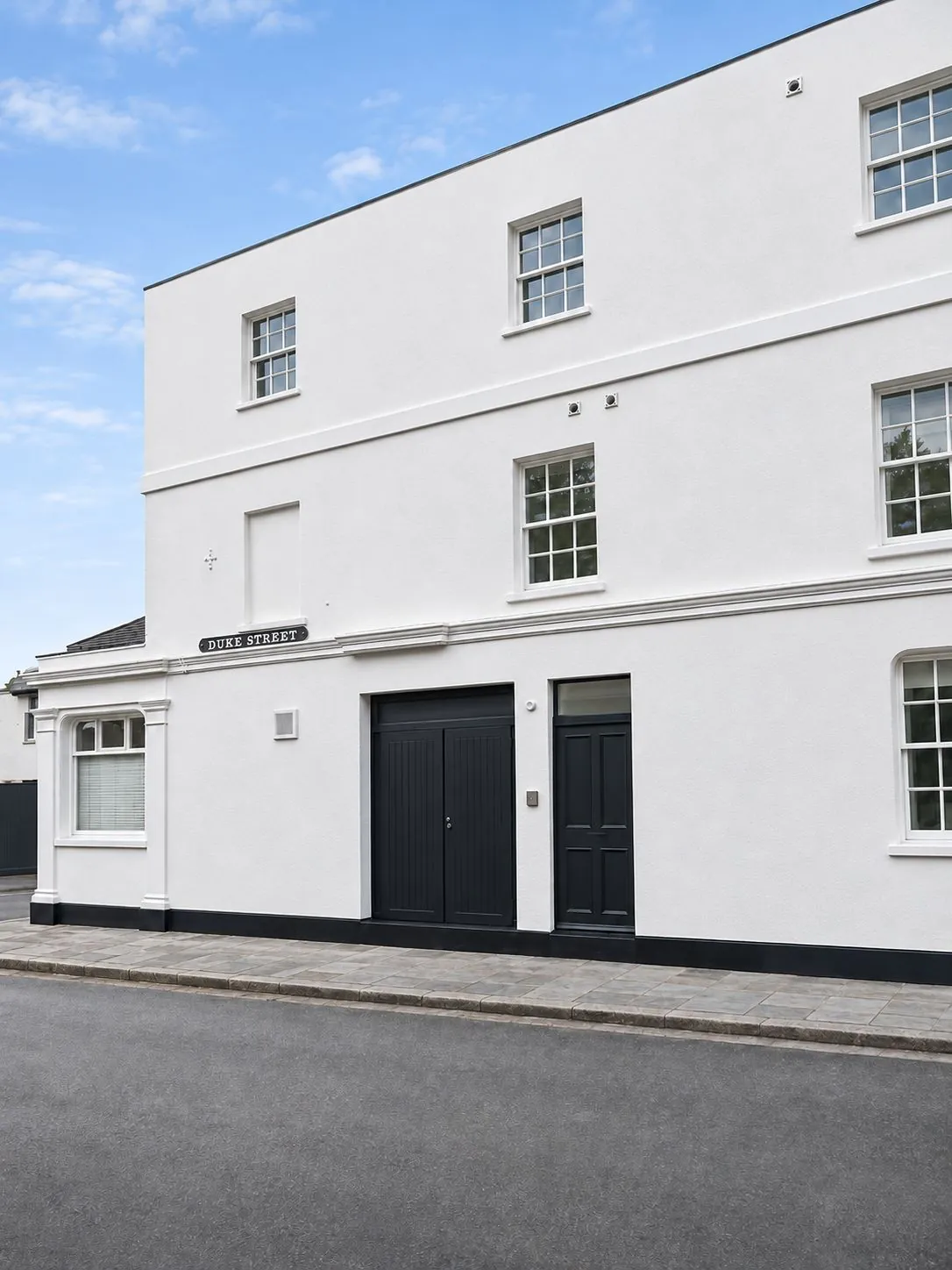
White render on a period townhouse

Rendering

Silicone, K Rend and Monocouche render, EWI and sand and cement.

Explore
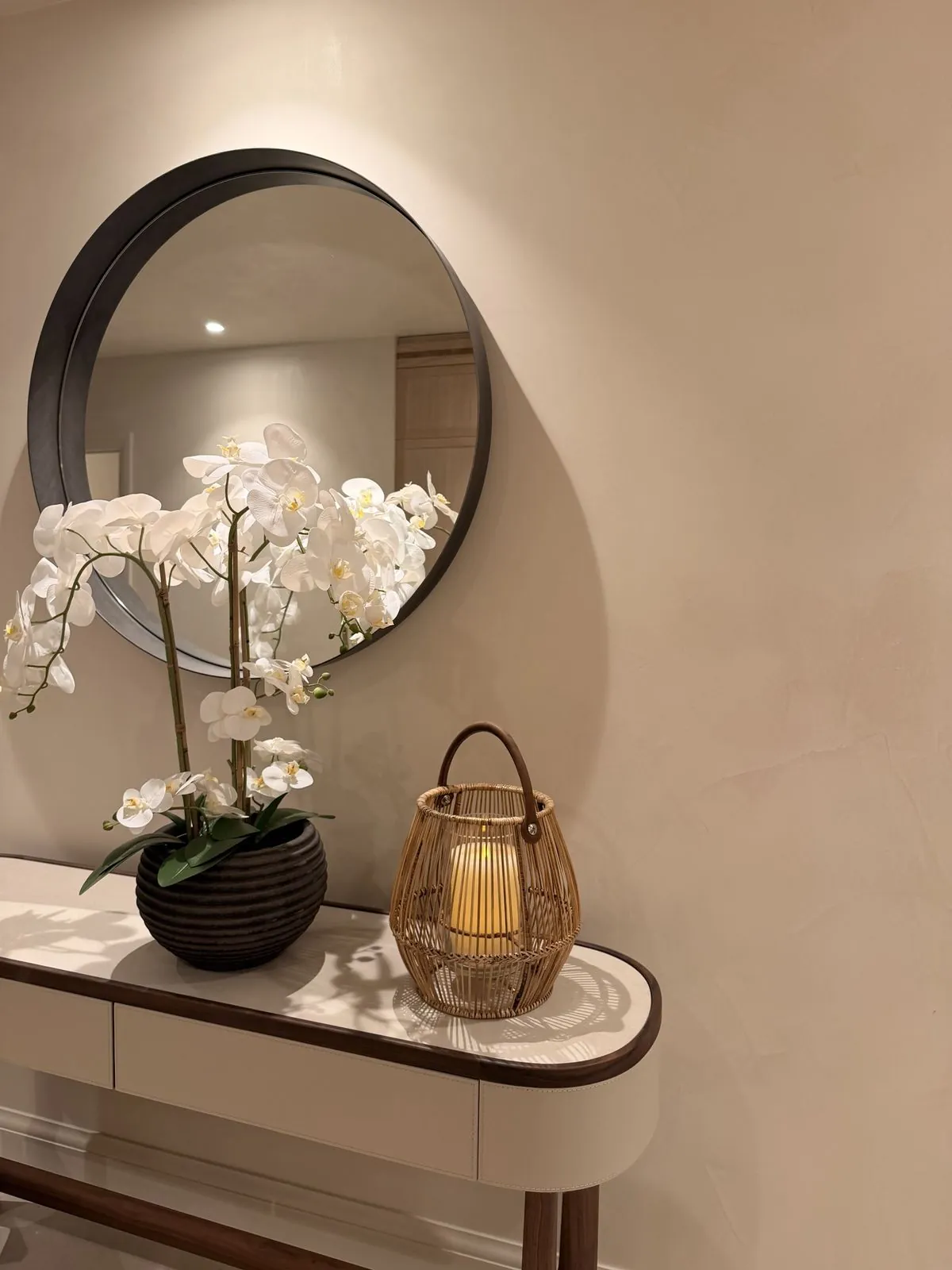
Polished plaster wall with a round mirror and console table

Polished plaster

Hand-applied Venetian Grassello, Marmorino and Tadelakt.

Explore
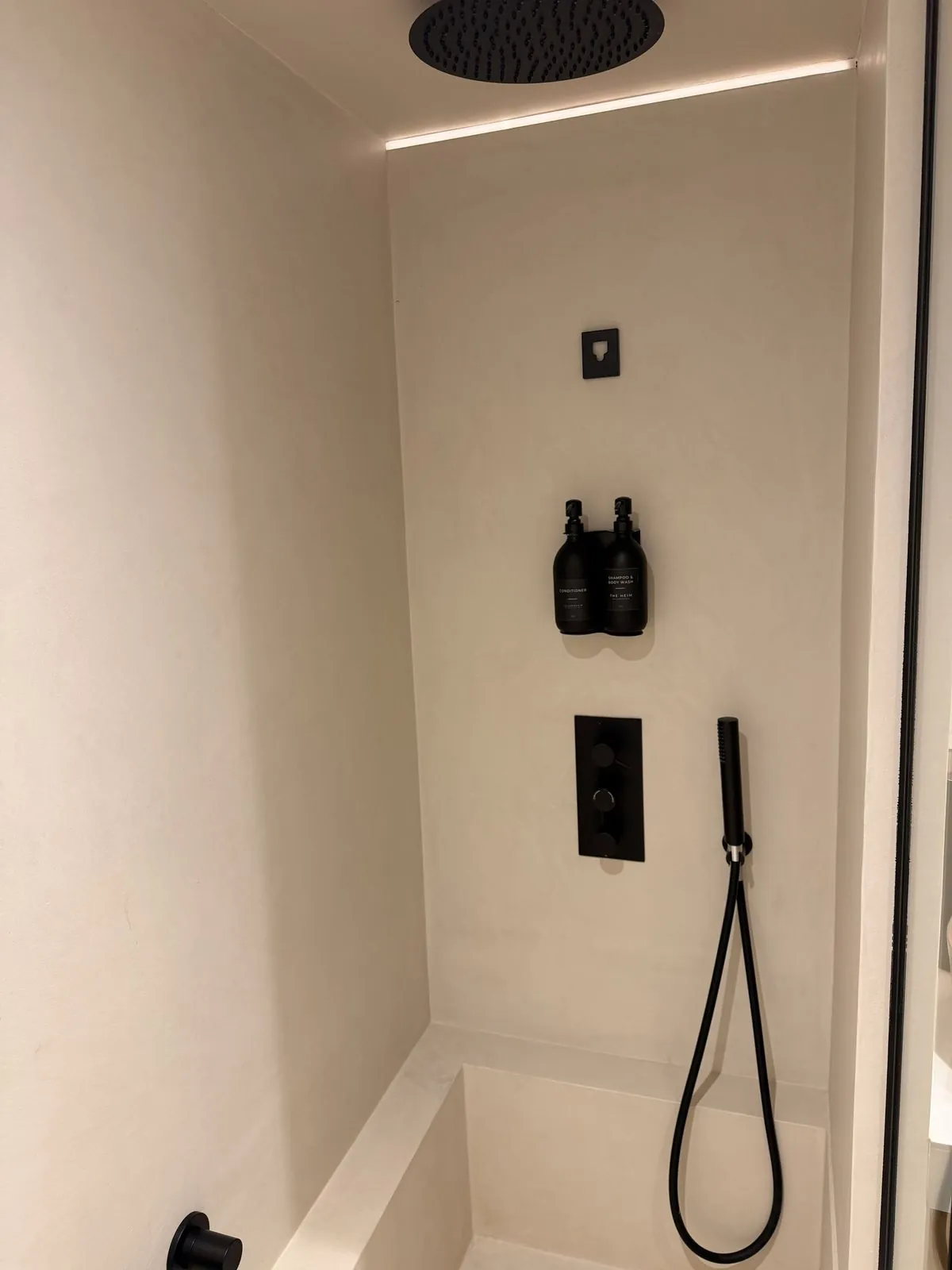
Microcement shower enclosure

Microcement

Seamless floors, walls, showers and wet rooms.

Explore

Planning a plastering job?

Send us a few photos and Dean will talk you through what it needs.

Get a quote WhatsApp Dean

Call 07464 593399 or email gsf.swuk@gmail.com